 Login
Login Store
Store Search
By Michel ”Meesh” Berthoud, CSIA BC/Yukon Chair
Each season, guests visit ski areas across Canada to enjoy the freedom and exhilaration of sliding on snow. That experience depends on a shared commitment to safety — and one of the most important ways we can protect it is by advancing how we think and talk about speed and collision awareness.
Ski areas across the country are participating in an industry-wide initiative to further reduce speed-related incidents and foster a stronger safety culture on the slopes. We’re asking ski areas and snow schools to join us in leading this initiative.
It Starts with Our Teams
Meaningful culture shifts often begin internally. Every employee — from instructors and lift operators to patrol and guest services — plays a role in shaping how guests understand and behave on the slopes. As instructors, you set the tone – on and off duty – by modelling safe behaviour.
Collisions are just one of the many risks we face while out on the slopes and can be preventable through good decision making. It’s the good decisions we make today that allow us to enjoy the slopes tomorrow.
Monitor your own speed
“The faster you go, the less time you’re in danger…….”
We have all heard this saying before, but that is just one side of the coin. Flip the coin over and it reads.
“….but significantly increases the danger that you and others are in.”
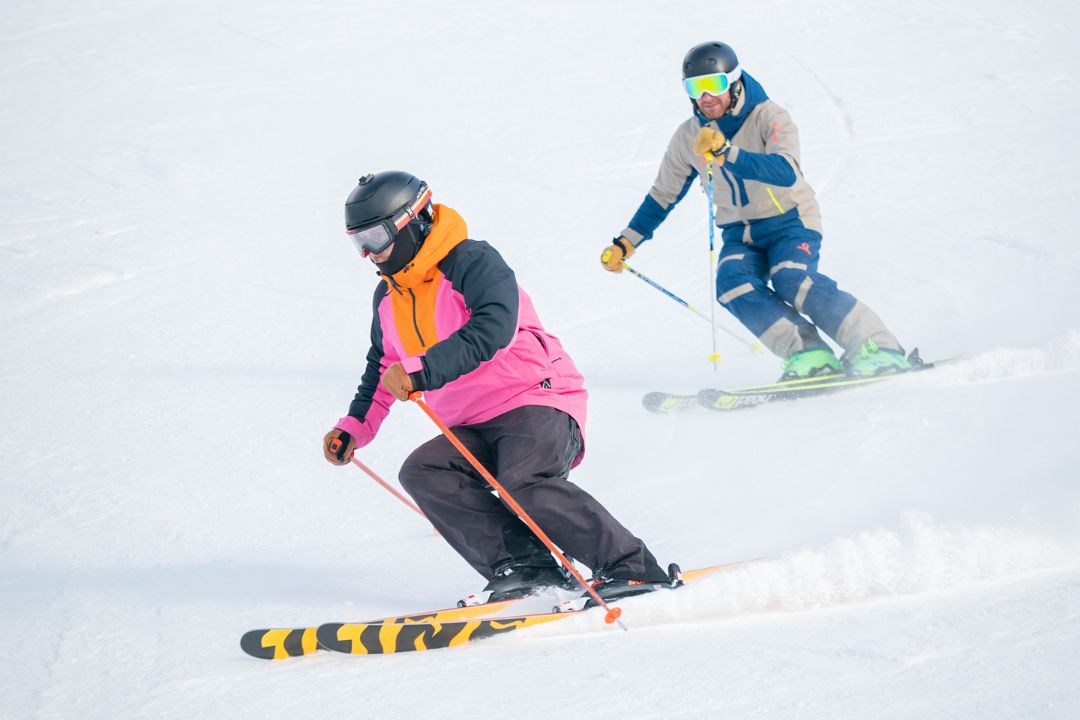
Speed is one of the major contributors when it comes to collisions. But at the same time, it also contributes to our enjoyment of skiing. Speed provides excitement, power and performance. But it also affects our reaction time, decreases our margin of error and increases the severity of any potential consequence. So as instructors we need to need to be mindful, as our speed can set the tone for others.
Slowing down in congested areas, modelling safe speeds in slow zones, and adjusting to conditions all demonstrate leadership and reinforce the expectations we set for our students.
Protect your peers and students
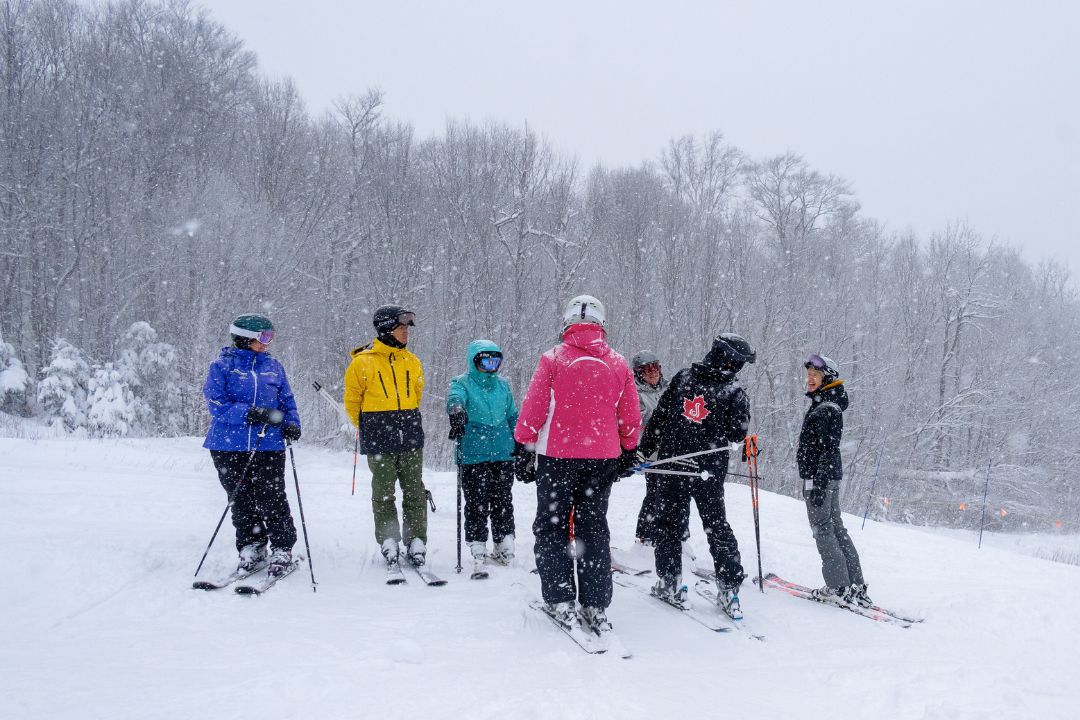
Instructors and their classes often stop on the hill, move in groups, or follow patterns that can increase the risk of being struck. By being predictable and choosing safe places to regroup, you help reduce the chance of collisions. A little extra caution goes a long way in keeping students and colleagues safe.
- Stop in a safe place – out of traffic, visible to others, etc.
- Avoid stopping at choke points on the run
- Ease into your stopping place – avoid slamming on the brakes
- When moving, keep the corridor consistent and go with the flow of traffic
- Use a corridor that leaves space for others – narrower, off to the side, etc.
- Choose terrain that is less crowded whenever possible
Be Aware
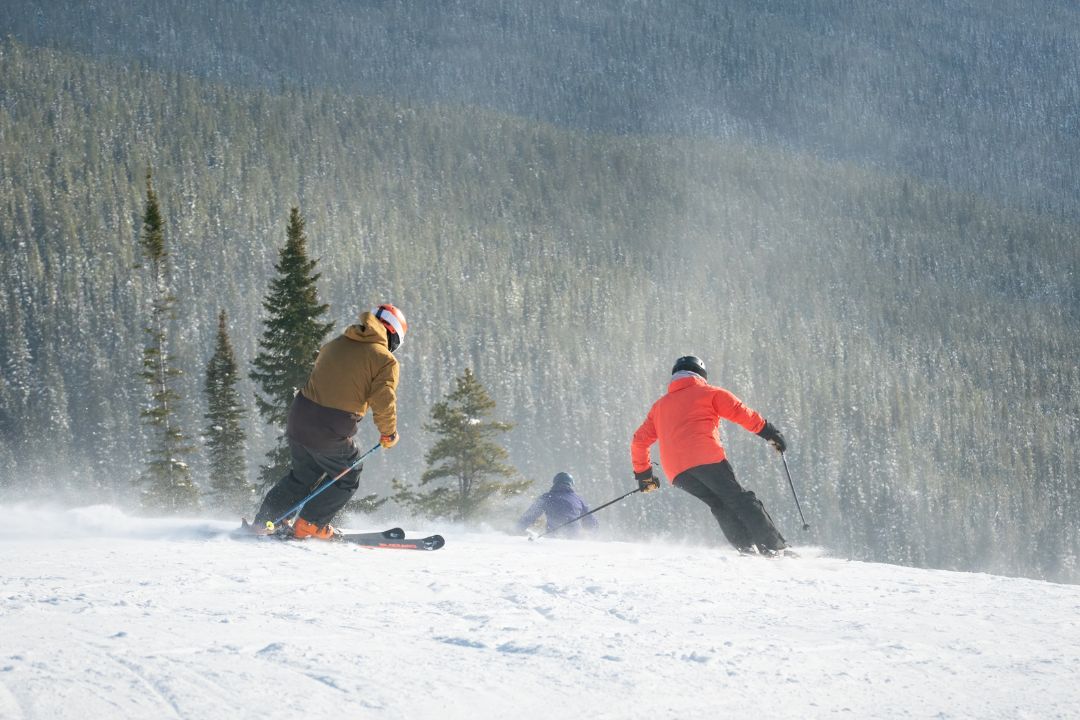
Be aware of your surroundings when out on the slopes.
- Be mindful of the environment – snow conditions, visibility, traffic/congestion, rollers, blind spots – and adjust your speed accordingly
- Watch the time of day, as lower slopes might be empty in the morning, but quite busy at the end of day with people skiing out.
- Monitor your, and your students, fatigue levels and adjust the terrain, speed and pace of the lesson accordingly.
- There’s a time and place. When leaving a closed environment – race course/park – you are now in a new environment and need to adjust your mindset.
Teach with Safety in Mind
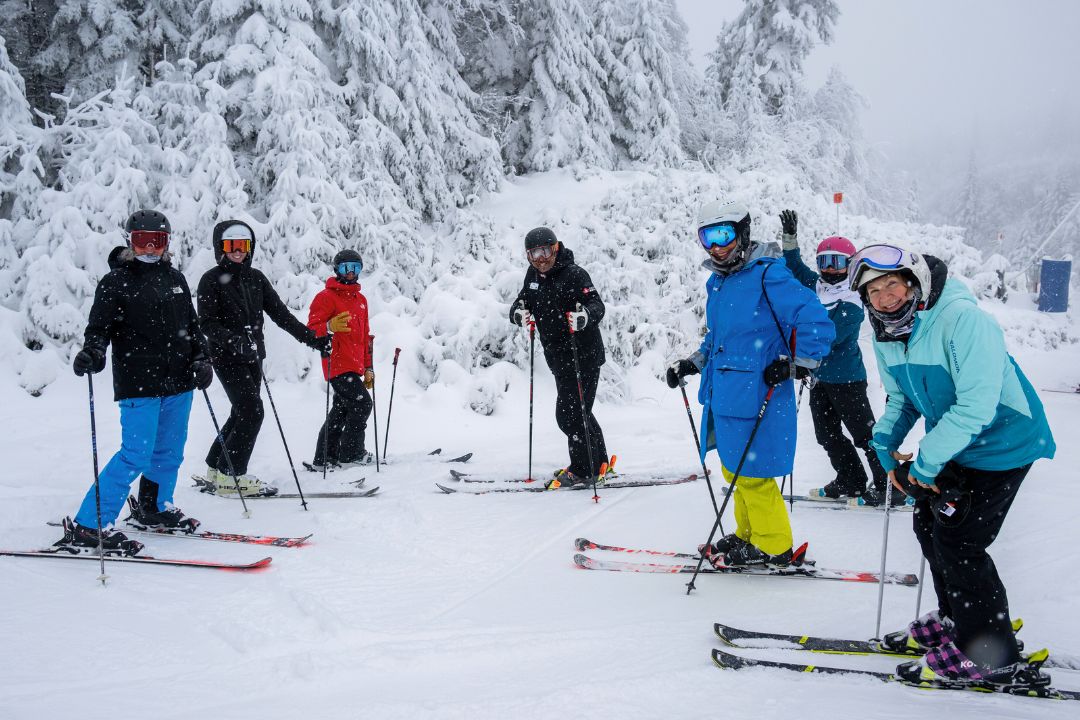
Snow school programs have a unique opportunity to integrate messaging about speed, space, awareness, and the Alpine Responsibility Code into every lesson. You, the instructor, are the most direct channel for teaching the Alpine Responsibility Code – the foundation of safe skiing and riding in Canada. Remind students to:
- Always stay in control so you can stop or avoid others.
- People ahead of you have the right of way.
- Look uphill and yield when starting or merging.
Embedding these messages into your lessons builds not only skill but also lifelong habits that keep skiers safe on snow.
A shared national effort
The speed and collision safety initiative will be active at ski areas across the country this season. It complements the Snow Angel Foundation’s program, which provides additional tools to help promote safe choices on the slopes.
- Be Ready – be ready to avoid objects and other skiers at any time
- Stay Alert – stay alert to what’s going around you, especially other people on the slopes
- Plan Ahead – ease up at blind spots, check up-hill when merging onto trails, give others plenty of room when passing
Join the Movement
Advancing the culture around speed and collision awareness won’t happen overnight — but it can happen, and it starts with us. Together, we can help guests understand their responsibility on the mountain, reduce preventable incidents, and create a safer, more enjoyable experience for everyone.