 Login
Login Store
Store Search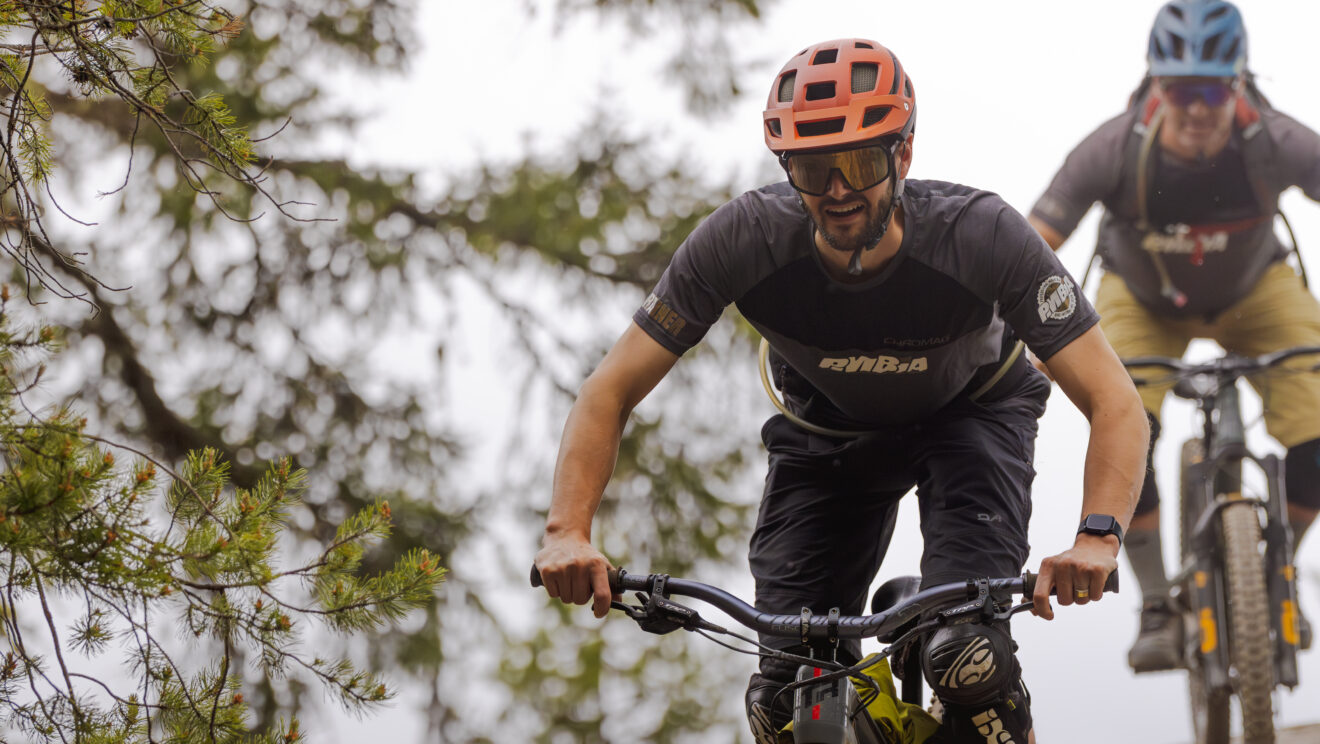
By Jon Casson, Director of Education, PMBIA
Every spring, somebody asks me the same question:”Does mountain biking help your skiing?”
Sure, it helps your fitness. You stay active, keep your legs strong, and build endurance. But honestly, I think that’s one of the least interesting reasons to ride.
After spending most of my career coaching and educating instructors in snow sports and mountain biking, I’ve realized the biggest crossover isn’t physical. It’s how both sports teach us to think.
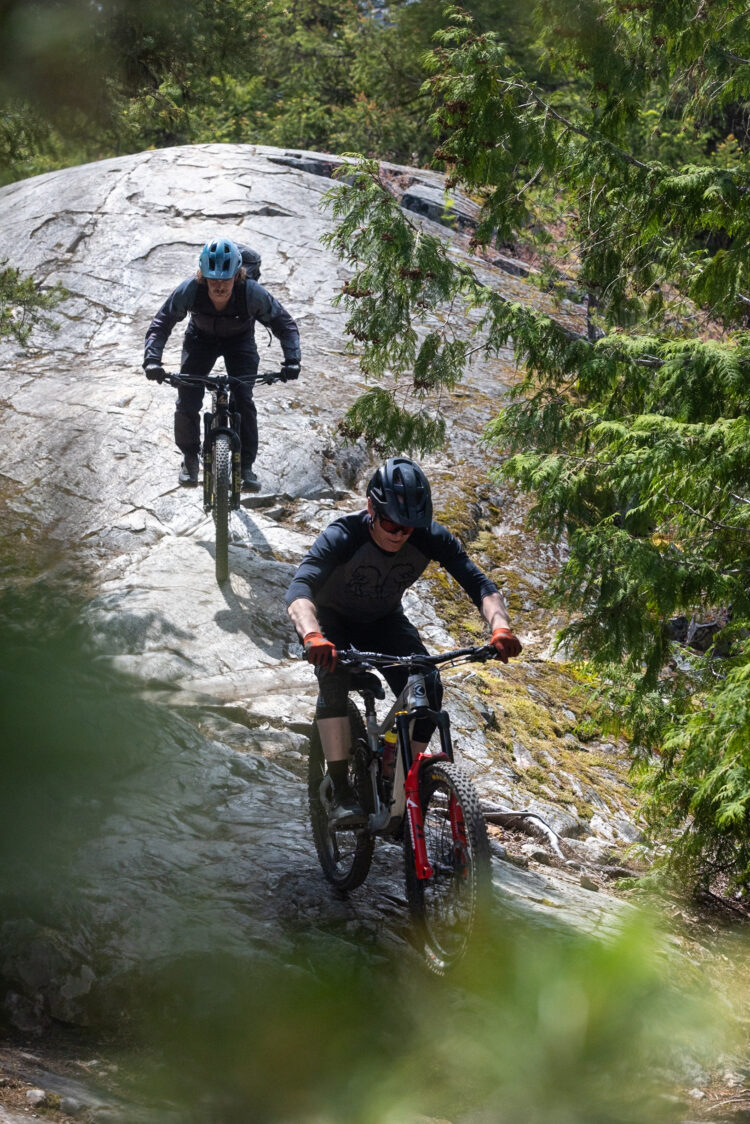
Whether you’re skiing a bump run or riding a piece of technical singletrack, you’re solving problems. We read terrain, adjust the line, manage speed, and constantly adapt to what’s in front of us. There isn’t one perfect movement that works everywhere. The best skiers and riders are the ones who can gather information, make decisions, and adapt on the fly.
One of the biggest similarities between skiing and mountain biking is the way we use terrain. We spend a lot of time talking about technique, but some of the best teaching happens before we say a word just by choosing the right slope, trail, or feature to work on. Sometimes picking the perfect environment is more effective than finding the perfect explanation.
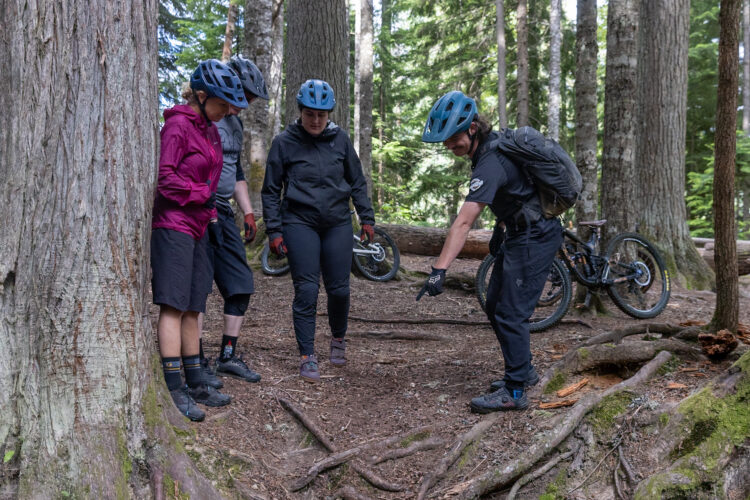
Another thing I appreciate about mountain biking is that it keeps my coaching brain switched on all summer. I’m still watching movements, thinking about progressions, and asking myself why one cue worked with one student but not the next.
When winter comes around, I don’t feel like I’m starting over. I’ve spent the summer practicing many of the same skills that make for good ski instruction: observing, adapting, experimenting, and trying to understand how people learn.
Mountain biking doesn’t replace skiing, and skiing doesn’t replace mountain biking. But each one makes me better at the other. Not because the movements are similar, but because the learning process is.